
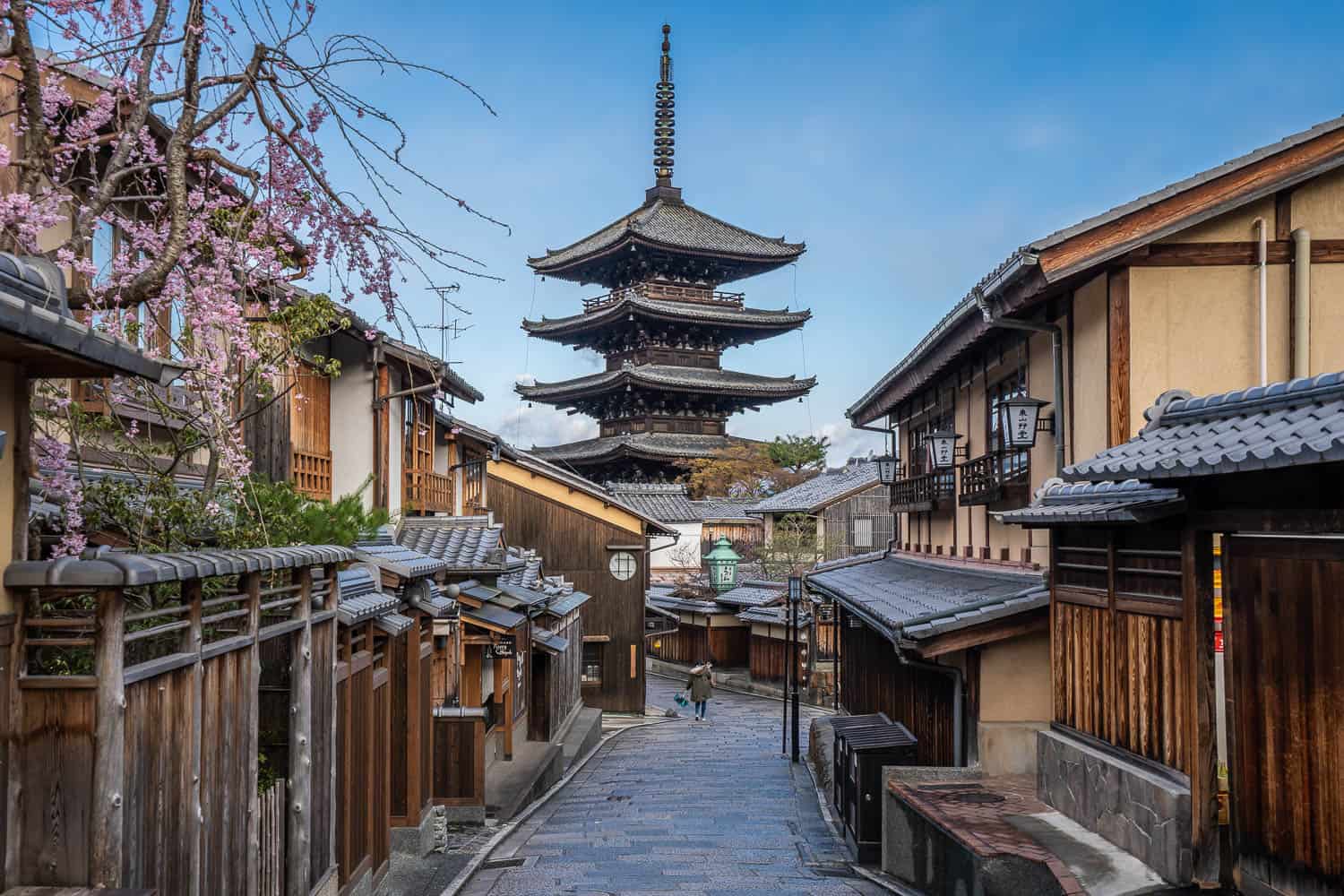
If there is one destination where tradition and quiet elegance seamlessly coexist with modern life, it is Kyoto. Once the imperial capital of Japan for over a millennium, Kyoto remains the cultural soul of the country. From moss-covered temple gardens and centuries-old wooden teahouses to bamboo groves swaying in the mountain breeze, Kyoto isn’t just a city you visit—it’s an atmosphere you step into.
Whether you are planning your first trip to Japan or returning to discover hidden corners, here is why Kyoto should be at the very top of your itinerary.
1. Step Into Living History and Timeless Architecture
Kyoto is home to more than 1,600 Buddhist temples and 400 Shinto shrines, including 17 UNESCO World Heritage sites. Walking through Kyoto feels like flipping through the pages of classical history:
Fushimi Inari Taisha: Famous for its mesmerizing tunnel of thousands of vermilion torii gates snaking through the wooded sacred Mount Inari.
Kinkaku-ji (The Golden Pavilion): A Zen Buddhist temple whose top two floors are completely covered in brilliant gold leaf, mirroring the calm waters of the pond below.
Kiyomizu-dera: A towering wooden temple perched on a cliffside, offering sweeping panoramic views across cherry blossoms or fiery autumn maples.
2. Immersive Traditional Culture & Tea Ceremonies
In Kyoto, ancient customs are not relics behind glass; they are living arts practiced with precision and reverence:
The Art of Chado (Tea Ceremony): Experience a mindful tea ceremony where every movement, from whisking matcha to offering the bowl, embodies harmony, respect, and tranquility.
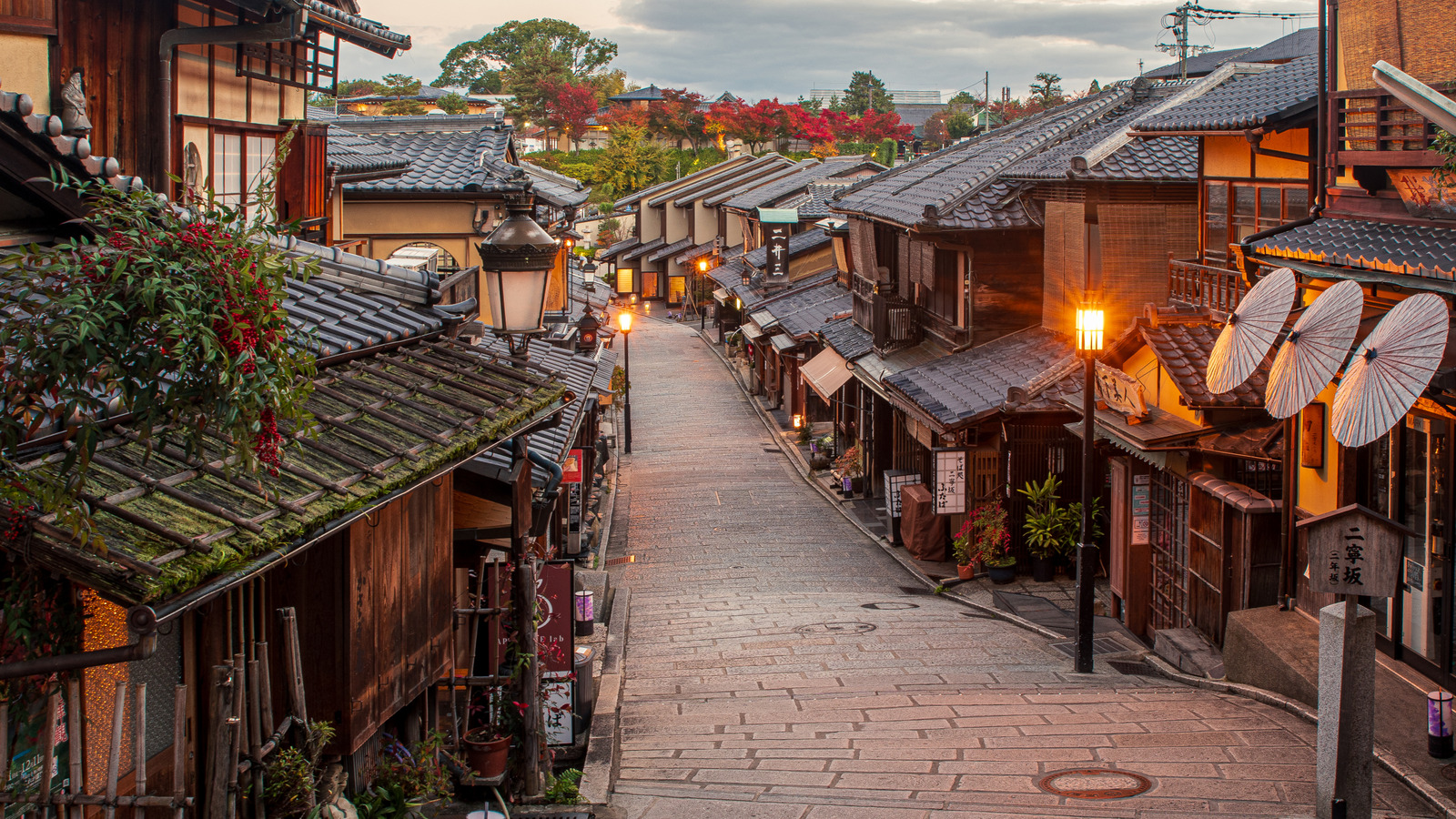
The Historic Gion District: Wander through stone-paved alleys lined with preserved wooden machiya merchant houses, lanterns, and exclusive ochaya (teahouses) where geiko and maiko preserve classical performing arts.
Stay in a Traditional Ryokan: Sleep on tatami mats, soak in natural cedar onsen baths, and experience unmatched hospitality (omotenashi).
3. A Culinary Paradise: From Kaiseki to Street Food
Kyoto’s food culture is recognized as one of the most refined in the world. It’s an essential destination for every food lover:
Kaiseki Ryori: Japan’s pinnacle multi-course fine dining, celebrating hyper-seasonal ingredients, delicate flavors, and artistic visual presentation.
Nishiki Market ("Kyoto’s Kitchen"): A bustling five-block shopping street bursting with skewers of grilled seafood, freshly fried tempura, seasoned dashi tamagoyaki, and matcha sweets.
Plant-Based Heritage (Shojin Ryori): Steeped in Zen tradition, Kyoto specializes in exquisite Buddhist vegetarian cuisine focusing on handmade tofu, seasonal vegetables, and wild mountain herbs.
4. Breathtaking Natural Escapes Across Every Season
No matter what time of year you arrive, Kyoto shifts into an entirely new palette:
Spring (Late March – April): Dreamy clouds of cherry blossoms frame canal walks along the Philosopher’s Path and riverbanks of the Kamo River.
Autumn (November): Japanese maples (momiji) turn deep crimson and burnt amber, illuminating temple gardens by night.
Arashiyama Bamboo Grove: Walk through towering green bamboo stalks that whisper in the breeze, followed by a visit to the tranquil Sagano scenic railway.
Quick Practical Tips for Visitors- Best Time to Visit: Spring for sakura and mid-to-late autumn for foliage; early summer (May–June) is also ideal for lush greenery with fewer crowds.
- Getting Around: Kyoto has an extensive, easy-to-use bus network, a clean subway system, and is one of the most pedestrian- and bike-friendly cities in Asia.
- Pro-Tip: Start your visits to major landmarks like Fushimi Inari and Arashiyama early in the morning (around 6:30–7:30 AM) to experience the peaceful atmosphere before daytime crowds arrive.
Community Discussion (0 Comments)
No comments yet. Be the first to start the discussion!